

In the turbulent aftermath of multiple ICE and Border Patrol shootings in Minneapolis, public commentary from elected officials has stirred fierce debate over whether rhetoric from Democratic leaders has crossed into inflammatory territory. Critics argue that strongly worded denunciations of federal law enforcement can embolden radical elements and contribute to confrontations between protesters and agents.
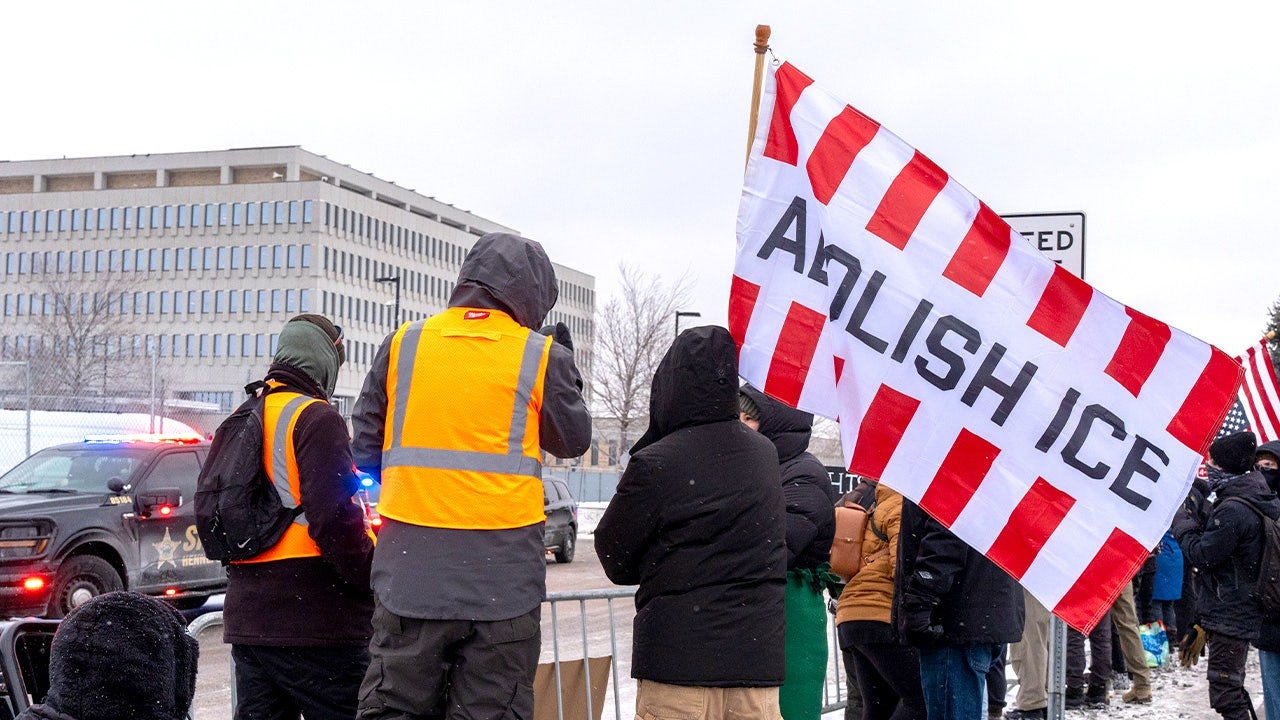
Governor Tim Walz and Minneapolis Mayor Jacob Frey have both sharply criticized federal immigration operations, describing them in terms that resonate with anger and distrust. Walz condemned the federal presence and blamed it for chaos, asserting that the deployment of thousands of immigration agents was reckless and would lead to harm. “We do not need any further help from the federal government,” he wrote publicly while framing federal actions as harmful to Minneapolis residents. (FOX 13 Tampa Bay)
Meanwhile, Mayor Frey publicly told ICE to “get the f— out of Minneapolis” and rejected federal claims of self-defense in earlier shootings, dismissing them as misleading. (KGOU) His language — widely circulated on social media and covered extensively by press — reflects a confrontational stance that, according to some commentators, blurs the line between official critique and overt antagonism.
The White House and federal officials have accused Walz and Frey of raising tensions and “inciting chaos” by amplifying protester grievances and framing the agency as an occupying force. (Fox News) Such criticism argues that when political leaders use emotionally charged, absolutist language it can motivate not just peaceful advocates but also opportunists and ideologically driven radicals, potentially leading to vandalism, pitched clashes, or violence against law enforcement.
Prosecutors have even opened criminal investigations into whether state and local officials impeded federal immigration enforcement, underscoring the legal and political stakes tied to rhetoric around these events. (CBS News)
This debate touches on a longstanding question in politics: when does forceful criticism of policy and institutions become irresponsible encouragement of unrest? While elected leaders have a duty to represent constituent concerns and to hold federal agencies accountable, the line between vigorous democratic criticism and language that feeds extremism or violence remains a flashpoint — especially in volatile situations like the current Minneapolis conflict.