

In 2025, synthetic biology transitioned from a foundational research discipline into a robust, industrial, and clinical powerhouse, redefining how we approach medicine, manufacturing, and environmental sustainability. Building upon advancements in Artificial Intelligence (AI) and DNA synthesis, this year saw breakthroughs in creating “living” therapies and decentralized production systems:
1. The Dawn of AI-Designed Genetic Medicine
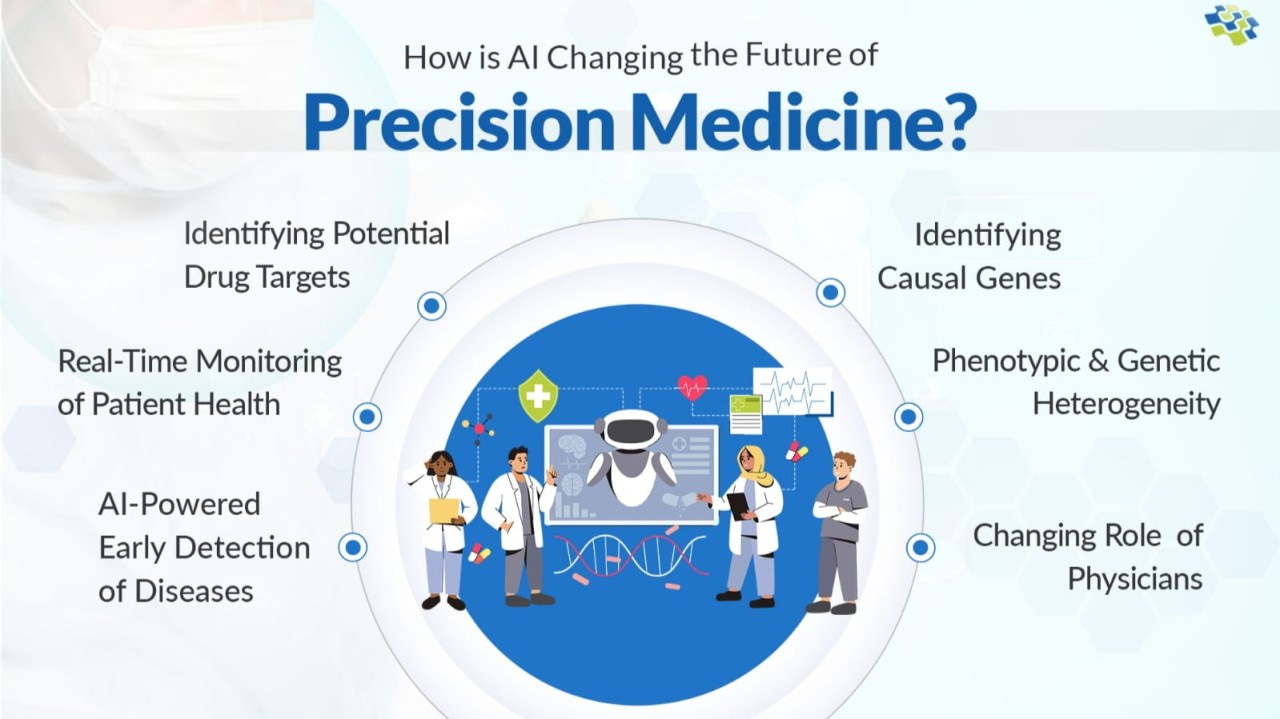
The convergence of Large Language Models (LLMs) and CRISPR technology reached a major milestone in 2025, with several companies initiating Phase 1 human trials for AI-designed gene editors. These tools, designed by AI to be more precise than natural counterparts, enable targeted gene corrections without the off-target effects that previously plagued gene therapy. In a landmark, patient-specific DNA vaccines were created to target unique tumor mutations, revolutionizing personalized oncology.
2. Enzymatic DNA Synthesis (EDS) Goes Commercial
For decades, DNA synthesis relied on slow, harsh chemical processes. 2025 marked the wide-scale adoption of enzymatic DNA synthesis (EDS), using engineered enzymes to build DNA strands in water-based solutions. This shift,, allowed for the rapid, high-fidelity synthesis of over 10,000 bases, slashing costs and accelerating the development of complex synthetic genomes and genetic circuits.
3. Programmable Synthetic “Minimal” Cells
Researchers successfully engineered minimal cells, or “protocells,” designed to act as in vivo diagnostics. These synthetic cells are programmed with logic gates—acting like tiny, internal, autonomous computers—to detect specific disease biomarkers, such as cancer proteins or environmental toxins, and then release a therapeutic response.
4. Distributed Biomanufacturing and “Living” Factories
Supply chain resilience saw a boost with the deployment of compact, automated bioreactors that allow on-demand production of medicines and proteins. These decentralized hubs, sometimes called “living factories,” mean high-value molecules or vaccines can be manufactured closer to the point of care. This technology was paired with engineered microbes designed to consume carbon dioxide, offering a new route for carbon-negative industrial manufacturing.
5. Standardized Biosafety “Kill Switches”
As synthetic organisms move from the lab into the real world, 2025 introduced mandatory, standardized “kill switches” in engineered organisms. These genetic safety circuits ensure that engineered bacteria or yeast cannot survive outside their controlled, industrial, or medical environment, mitigating environmental risks.
6. The Rise of DNA Data Storage
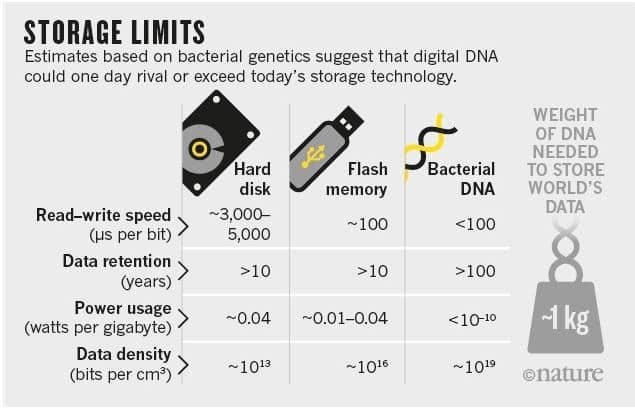
The search for sustainable, high-density data storage saw a breakthrough with the first functional, petabyte-scale prototype of a DNA-based data storage array. Leveraging high-throughput enzymatic synthesis, this technology demonstrated the ability to store vast amounts of data for thousands of years, offering a green alternative to traditional, energy-intensive silicon-based data centers.
Looking Forward: The Future is Programmable
By the end of 2025, synthetic biology was no longer just a specialized field, but a “language for collaboration” between biology and engineering. With AI-driven design, sustainable bioproduction, and precise medical treatments, 2025 solidified the role of synthetic biology as the operating system for a sustainable, healthier future.
AI responses may include mistakes.