
By Richard Navarro
In an era where public faith in government institutions has plummeted to historic lows, the chasm between campaign rhetoric and post-election reality has become a defining feature of modern politics. Politicians routinely ascend to power on platforms of sweeping reform—promising everything from tax cuts and healthcare improvements to environmental protections and economic revitalization—only to pivot dramatically once in office. Whether influenced by undisclosed ideological agendas or the demands of wealthy donors, these betrayals erode the very foundation of representative democracy. It’s time to advocate for a radical yet essential reform: binding political contracts between voters and elected officials, enforced by automatic expulsion from office if key promises are not objectively implemented or earnestly attempted. This article explores why such a system is not just desirable but necessary to reclaim accountability in governance.
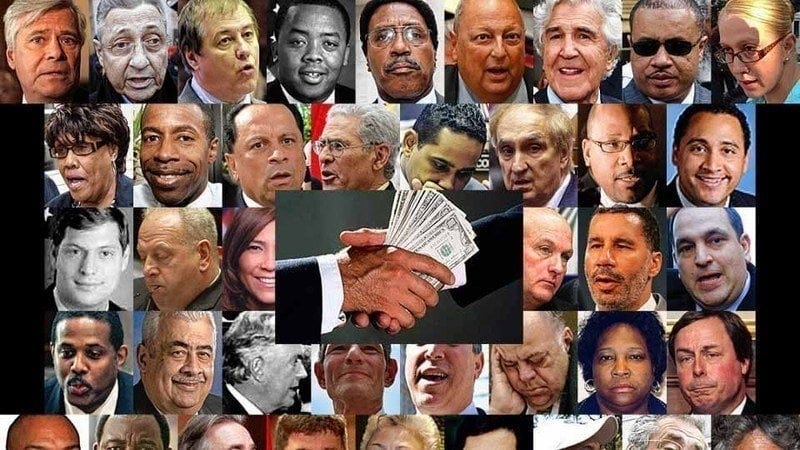
The Epidemic of Broken Promises
History is replete with examples of politicians who campaign as moderates or reformers, only to reveal more extreme or self-serving agendas after winning office. Consider the classic bait-and-switch: a candidate pledges fiscal responsibility to appeal to centrist voters, then enacts policies that balloon deficits to favor special interests. Or take environmental commitments abandoned in favor of industry deregulation, often tied to campaign contributions from fossil fuel giants. These aren’t isolated incidents; they’re systemic.
Data from independent watchdogs like the Pew Research Center consistently show that a majority of voters feel politicians prioritize donors over constituents. In the United States, for instance, the influence of money in politics—exacerbated by decisions like Citizens United—has turned elections into auctions where promises are auctioned off to the highest bidder. Once elected, officials face no binding repercussions for reneging, aside from the vague threat of future elections, which are often swayed by short memories, media spin, and gerrymandered districts. This lack of enforcement allows politicians to treat manifestos as marketing tools rather than solemn commitments, fostering cynicism and voter apathy. Without a mechanism to enforce honesty, democracy devolves into a theater of illusions.
Why Binding Contracts Are Essential
At its core, a binding political contract would transform campaign promises into enforceable agreements, akin to legal contracts in business or personal dealings. In the private sector, if a contractor fails to deliver on a agreed-upon project without good faith effort, they face penalties like lawsuits or termination. Why should public service be any different? Politicians are, after all, employees of the people, hired through the electoral process to execute a specific mandate.
Such contracts would require candidates to outline clear, measurable pledges during campaigns—e.g., “Pass legislation to cap insulin prices at $35 per month within the first year” or “Implement a 10% reduction in carbon emissions by 2028 through specified policies.” These would be ratified by voters at the ballot box, becoming legally binding upon election. Failure to implement or make verifiable attempts—assessed by an independent oversight body, perhaps a non-partisan commission with judicial review—would trigger automatic expulsion. No lengthy impeachment processes, no partisan gridlock; just swift accountability.
This isn’t about punishing flexibility in the face of unforeseen crises, like pandemics or economic downturns. Contracts could include clauses for reasonable amendments with public approval or evidence of good-faith efforts thwarted by external factors. The key is objectivity: metrics for success would be predefined, avoiding subjective interpretations that could be manipulated.
Combating Hidden Agendas and Donor Influence
One of the most insidious aspects of current politics is the “toned-down ideology” during campaigns. Extremists often moderate their views to broaden appeal, only to unleash radical policies once in power. A binding contract would force transparency: candidates couldn’t hide behind vague platitudes, as specifics would be scrutinized and enforced. Voters would know exactly what they’re signing up for, reducing the risk of post-election surprises.
Equally critical is addressing donor payback. Politicians frequently promise reforms that challenge powerful lobbies, only to backtrack after receiving post-election favors. Binding contracts would deter this by making deviations punishable, shifting the incentive structure. Donors might still contribute, but they’d know their influence couldn’t override voter-mandated promises without consequences. This could even reduce the overall corrupting role of money in politics, as candidates focus on deliverable pledges rather than auctioning influence.
Benefits to Democracy and Society
Implementing binding contracts would yield profound benefits. First, it would boost voter turnout and engagement. Knowing that promises carry weight, citizens might participate more actively, demanding detailed platforms and holding officials accountable in real-time. Trust in institutions could rebound, as evidenced by studies on accountability mechanisms in other sectors, where enforceable agreements correlate with higher satisfaction and performance.
Second, it would encourage better governance. Politicians would prioritize feasible, evidence-based promises over pie-in-the-sky rhetoric, leading to more realistic policy-making. Automatic expulsion would act as a deterrent, weeding out opportunists and rewarding those who govern with integrity. Over time, this could foster a political class more aligned with public needs rather than personal or partisan gains.
Critics might argue that such a system stifles leadership, tying officials’ hands in dynamic environments. But flexibility can be built in, as noted earlier. Others worry about abuse by partisan overseers, but an independent body—modeled after bodies like the Federal Election Commission but with stronger safeguards—could mitigate this. Moreover, the alternative is the status quo: a system where betrayal is normalized, breeding populism and instability.
A Call for Reform
In conclusion, the absence of binding political contracts perpetuates a cycle of deception that undermines democracy. Voters deserve more than empty words; they deserve enforceable commitments that prevent politicians from promising one path to power and pursuing another for ideological or financial reasons. By instituting automatic expulsion for failures to implement or attempt promises in good faith, we can restore accountability, transparency, and trust. This reform won’t happen overnight—it requires constitutional amendments or legislative overhauls—but the conversation must start now. As citizens, we must demand a system where our votes translate into real action, not just temporary illusions of change. The future of effective governance depends on it.